
Table of Contents
- Introduction to Penetration Testing in Damascus
- Why Damascus Businesses Need Proactive Cybersecurity Audits
- Comprehensive Penetration Testing Services in Damascus
- How to Choose the Right Technical Solution for Your Enterprise
- Standard Penetration Testing Methodology and Execution
- Business ROI and Risk Mitigation in 2026
- Frequently Asked Questions
Introduction to Penetration Testing in Damascus
As digital transformation accelerates across the Middle East, organizations operating in Syria face an increasingly complex cyber threat landscape. Modernizing infrastructure, expanding digital banking platforms, adopting cloud solutions, and integrating online payment systems have created immense operational efficiencies. However, these technical advancements also expose digital assets to sophisticated cyber threats. When seeking high-grade cybersecurity evaluation, relying on reliable penetration testing services in damascus has become a foundational necessity for forward-thinking enterprises, financial institutions, and government bodies.
A penetration test—often called ethical hacking—is a simulated, controlled cyberattack designed to evaluate the security posture of an organization’s systems, networks, and applications. Rather than waiting for malicious threat actors to breach critical assets, engaging specialized penetration testing services in damascus helps decision-makers identify security vulnerabilities, misconfigurations, and privilege escalation pathways before they can be exploited. This comprehensive guide details how enterprise leaders in Damascus can choose the right technical solution, align security efforts with global standards, and ensure business continuity.

Why Damascus Businesses Need Proactive Cybersecurity Audits
The business ecosystem in Damascus is undergoing a significant shift toward automated services, modern financial technology platforms, and interconnected supply chains. In 2026, cyber attackers no longer target only global conglomerates; small and medium enterprises (SMEs) and regional corporate headquarters are equally vulnerable to ransomware, data breaches, and insider threats. Investing in proactive penetration testing services in damascus provides actionable visibility into operational security risks.
Financial service providers, healthcare networks, telecommunications operators, and logistics firms handle vast amounts of sensitive customer data and transactional records. A security incident can lead to catastrophic financial losses, disruption of public services, and irreparable reputational damage. By securing local servers, perimeter firewalls, and employee-facing portals, companies can establish a resilient defense mechanisms tailored to the dynamic regional cybersecurity climate.
Furthermore, local regulatory frameworks and international cybersecurity guidelines emphasize regular security audits. Utilizing certified penetration testing services in damascus allows corporate leaders to demonstrate compliance, safeguard stakeholder value, and maintain consumer trust in a rapidly evolving digital marketplace.
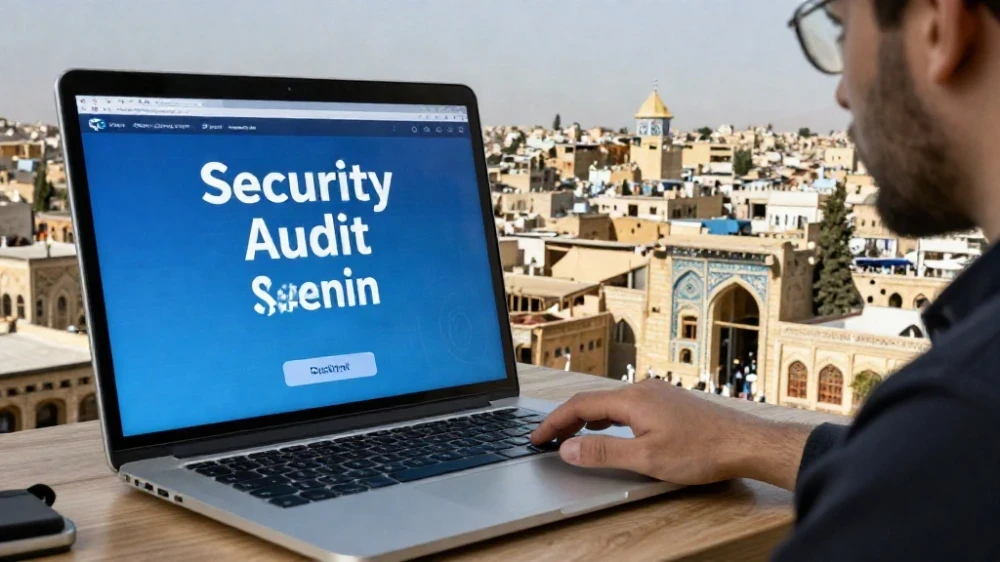
Comprehensive Penetration Testing Services in Damascus: Core Solutions
Selecting the ideal technical assessment requires understanding the specific domains of your technology stack that need evaluation. Professional security providers offer specialized modules designed to stress-test every operational layer of your enterprise.
1. Network Infrastructure Security Audits
Network penetration testing focuses on discovering weaknesses across internal and external network environments. Certified ethical hackers examine router configurations, firewalls, switches, domain controllers, and active directory structures. High-end penetration testing services in damascus evaluate both perimeter defenses (external network testing) and insider threat scenarios (internal network testing) to prevent unauthorized lateral movement across corporate networks.
2. Web and Mobile Application Penetration Testing
Modern applications are primary targets for malicious actors due to custom source code, dynamic user inputs, and third-party integrations. Application testing identifies critical vulnerabilities such as SQL injection (SQLi), Cross-Site Scripting (XSS), broken authentication mechanisms, and insecure direct object references (IDOR). Utilizing technical penetration testing services in damascus ensures that client portals, administrative dashboards, and mobile iOS/Android platforms remain resistant to targeted exploitation.
3. API and Cloud Architecture Security Assessments
As organizations adopt cloud hosting and microservices, Application Programming Interfaces (APIs) serve as the bridge between systems. Misconfigured API endpoints or exposed environment variables can lead to massive data leaks. Specialized assessments evaluate REST, SOAP, and GraphQL APIs alongside multi-cloud architectures (AWS, Azure, private clouds) to enforce least-privilege access and data encryption standards.
4. Wireless Network and Social Engineering Evaluations
Human error and weak physical or wireless controls often undermine even the most sophisticated firewall defenses. Social engineering audits—including simulated phishing campaigns, vishing, and physical access testing—measure employee security awareness. Combined with Wi-Fi signal interception and rogue access point analysis, comprehensive security assessments evaluate security controls from every possible angle.
How to Choose the Right Technical Solution for Your Enterprise
Selecting an ethical hacking partner in Damascus is a strategic business decision that requires careful technical evaluation. Organizations must evaluate technical vendor capability, methodology adherence, industry certifications, and reporting transparency.
When selecting a technical provider for penetration testing services in damascus, business leaders should evaluate the following key criteria:
- Technical Certifications: Ensure the team holds internationally recognized credentials such as OSCP (Offensive Security Certified Professional), CISSP, CEH, or GIAC.
- Standardized Assessment Frameworks: Assessors must adhere to established technical methodologies like OWASP (Open Web Application Security Project) Top 10, PTES (Penetration Testing Execution Standard), and OSSTMM.
- Actionable Remediation Reports: Technical summaries should include both high-level executive insights for executives and technical step-by-step remediation guidance for engineering teams.
- Zero-Disruption Guarantees: Testing must be executed cleanly without disrupting operational productivity or degrading production database performance.
Partnering with established security experts, such as TaraCyber cybersecurity solutions, guarantees that testing procedures meet the highest international security standards while addressing localized operational challenges in the region.
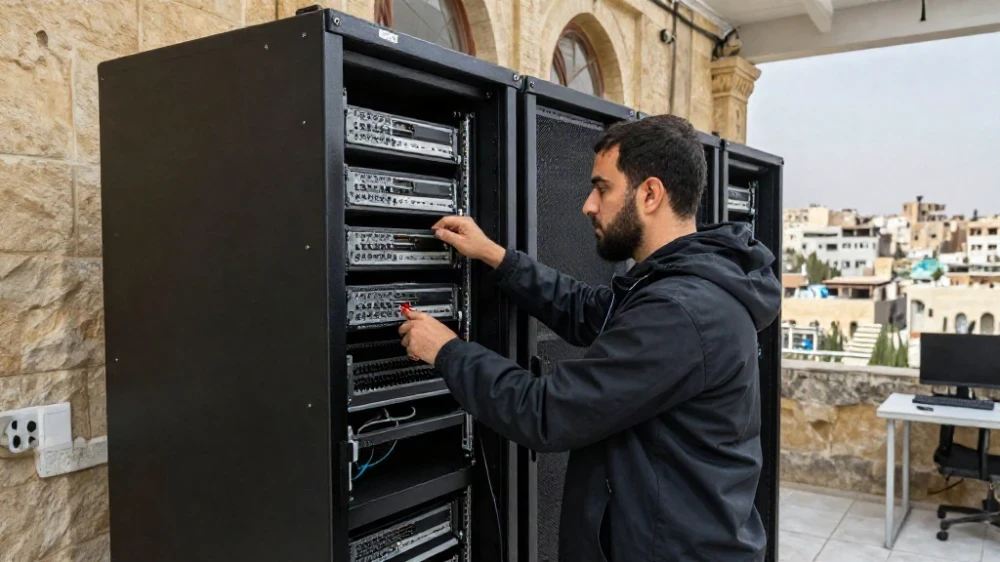
Standard Penetration Testing Methodology and Execution
A structured testing methodology separates amateur vulnerability scanning from professional ethical hacking services. Reputable penetration testing services in damascus follow a rigorous, step-by-step framework to ensure thorough system coverage without operational risk.
According to the official NIST Cybersecurity Framework guidelines, structured security evaluations must integrate reconnaissance, threat modeling, analysis, and post-assessment verification into their core risk management operations. Below is the technical breakdown of a professional assessment execution:
- Scoping and Rules of Engagement (RoE): Defining target IP ranges, domain names, API parameters, testing schedules, and emergency point-of-contact details.
- Reconnaissance and Information Gathering: Collecting passive and active intelligence regarding target subdomains, open ports, software versions, and public code repositories.
- Vulnerability Analysis: Combining automated scanning engines with manual technical inspection to uncover logic flaws and zero-day vulnerabilities.
- Controlled Exploitation: Safely executing proofs-of-concept (PoC) to demonstrate real-world impact, verifying whether potential security issues can lead to unauthorized system access or data extraction.
- Post-Exploitation and Risk Analysis: Determining the depth of access gained, assessing privilege escalation paths, and evaluating potential business loss.
- Reporting and Remediation Re-testing: Delivering prioritized technical findings, remediation steps, and conducting follow-up re-scans to confirm all patches were successfully implemented.
By leveraging structured penetration testing services in damascus, executive leadership receives verified evidence of security risks rather than false positives produced by automated vulnerability tools.

Business ROI and Risk Mitigation in 2026
Cybersecurity expenditures are frequently viewed purely as cost centers. However, proactive security testing delivers substantial, measurable Return on Investment (ROI). The cost of remediating a full-scale security incident—including operational downtime, legal liabilities, emergency forensics, and lost client retention—far exceeds the cost of scheduled security testing.
Integrating professional penetration testing services in damascus into your annual IT strategy allows your technical management to:
- Prevent costly operational disruption and ransomware blockades.
- Protect strategic intellectual property, commercial databases, and private records.
- Strengthen institutional credibility when pitching to international partners and enterprise clients.
- Optimize security infrastructure budgets by prioritizing high-severity risks over non-critical updates.
Decision-makers who utilize penetration testing services in damascus gain a distinct competitive edge, proving to their markets that digital resilience and customer security are fundamental strategic pillars.
Frequently Asked Questions
What is the difference between a vulnerability assessment and penetration testing?
A vulnerability assessment relies primarily on automated software tools to scan networks and applications for known flaws, generating a broad list of potential security gaps. In contrast, penetration testing involves manual, highly skilled ethical hackers actively attempting to exploit those vulnerabilities. Penetration testing validates whether a vulnerability is real, assesses the potential depth of breach, and eliminates false-positive reports.
How long does it take to complete penetration testing services in damascus?
The duration of a penetration testing project depends on the overall scope, technical complexity, and target size of the infrastructure. A targeted web application test typically takes 3 to 7 business days, while an extensive enterprise-wide network audit covering internal, external, and mobile platforms may require 2 to 3 weeks. Organizations utilizing penetration testing services in damascus receive detailed project timelines during the initial scoping phase.
How often should our company conduct a penetration test?
Security industry best practices recommend conducting a comprehensive penetration test at least once per calendar year. Additionally, organizations should schedule targeted tests whenever major infrastructure changes occur, such as launching new web applications, undergoing cloud migrations, updating core database systems, or expanding network perimeters.