
Table of Contents
- Introduction to Digital Transformation and Cybersecurity Training Course Booking
- Step 1: Assessing Current Digital Maturity and Security Gaps
- Step 2: Aligning Workforce Readiness via Cybersecurity Training Course Booking
- Step 3: Integrating Security First-Culture into Cloud Migration
- Step 4: Streamlining Procurement and Cybersecurity Training Course Booking
- Step 5: Measuring ROI and Long-Term Digital Resilience
- Comparison: Traditional Upskilling vs Modern Platforms
- Frequently Asked Questions (FAQ)
- Cybersecurity Training Course Booking: Empowers corporate teams with streamlined access to advanced threat-mitigation skills necessary for successful digital transformation in 2026.
- Aligning technical skill development with corporate modernization initiatives guarantees minimal operational downtime and robust data protection frameworks.
- Executing a structured employee upskilling roadmap ensures compliance with global cybersecurity standards and mitigates human-error vulnerabilities.
Introduction to Digital Transformation and Cybersecurity Training Course Booking
Modern enterprises face unprecedented digital challenges as they migrate legacy systems to cloud environments. Embracing digital transformation requires a holistic approach where technology and human capital evolve simultaneously.
Without proper employee awareness, new enterprise networks remain highly susceptible to sophisticated cyber threats. Therefore, organizations must prioritize strategic workforce education to safeguard corporate assets.
Executing a seamless Cybersecurity Training Course Booking allows business leaders to proactively secure their digital infrastructure before major threats materialize.
When organizations modernize, human error often remains the weakest link in the operational security chain. Implementing a formal information security protocol bridges the gap between advanced technology and everyday employee habits.
Streamlining Cybersecurity Training Course Booking ensures that staff members understand modern phishing vectors, malware delivery mechanisms, and secure data handling procedures.
This introductory guide explores practical steps to implement digital transformation while leveraging efficient Cybersecurity Training Course Booking strategies for optimal organizational resilience.
Step 1: Assessing Current Digital Maturity and Security Gaps
Before launching any digital overhaul, enterprises must evaluate their current technology stack and existing vulnerability thresholds. Understanding baseline security metrics helps identify critical areas requiring immediate workforce intervention.
Conducting comprehensive internal audits reveals whether employees possess the necessary foundational knowledge to operate safe cloud-based environments. Gap analysis acts as the compass for all subsequent corporate learning investments.
Once gaps are identified, management can justify the budget for a targeted Cybersecurity Training Course Booking campaign. Tailoring modules to specific departmental risks maximizes learning engagement and retention.
For instance, finance departments require different defense insights compared to software development teams. A customized Cybersecurity Training Course Booking process ensures relevant education reaches every distinct business unit.
Skipping this foundational assessment phase often leads to generic training programs that fail to address unique enterprise vulnerabilities. Data-driven evaluation guarantees precise educational targeting.
Ultimately, combining digital maturity audits with a strategic these solutions roadmap sets a solid foundation for secure digital expansion.
Step 2: Aligning Workforce Readiness via Cybersecurity Training Course Booking
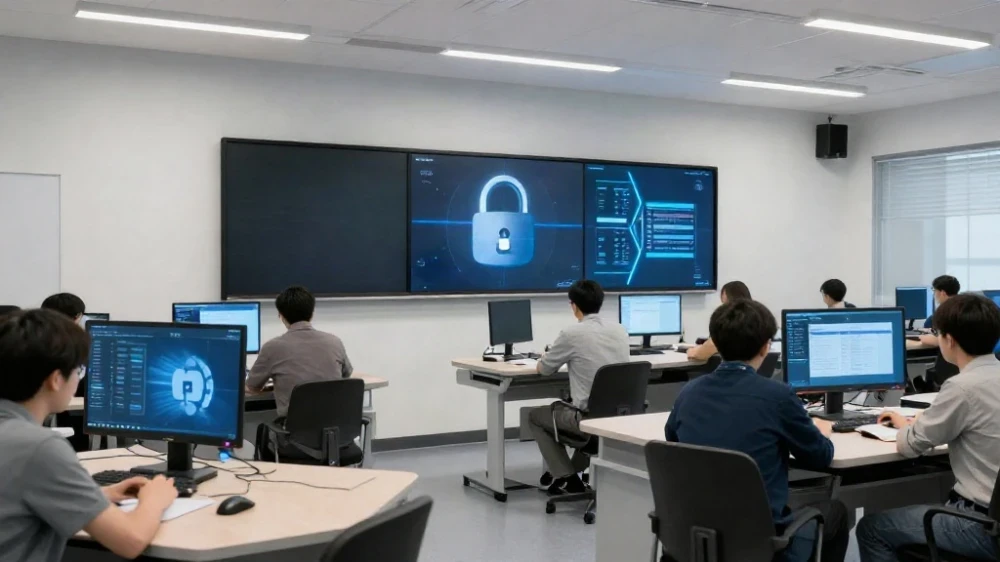
Technology implementation alone cannot guarantee successful enterprise modernization without a well-prepared workforce. Employees must transition from passive technology users to active security defenders.
Achieving this cultural shift demands structured learning pathways supported by automated enrollment systems. Simplifying the this field workflow encourages higher employee participation rates.
When HR and IT departments collaborate on this service, administrative friction drops significantly. Employees can secure certification spots without navigating cumbersome bureaucratic hurdles.
Furthermore, scheduled learning intervals prevent disruption to daily business operations while maintaining steady skill progression across all teams. Flexibility is paramount for busy corporate environments.
Tracking completion metrics through a centralized dashboard allows managers to monitor organizational readiness in real-time. Transparent tracking reinforces accountability across departments.
Investing time in an optimized these options pipeline directly translates to enhanced threat awareness and reduced incident response times.
Step 3: Integrating Security First-Culture into Cloud Migration
Cloud migration accelerates business agility, but it also expands the corporate attack surface. Securing cloud workloads requires specialized technical skills that standard onboarding programs rarely cover.
As enterprises migrate sensitive data lakes and customer databases, technical staff must understand cloud-native security postures. Specialized these solutions bridges this crucial knowledge gap.
Engineers learning container security, identity access management, and encryption protocols protect the organization from costly misconfigurations. Proactive education prevents cloud-based data breaches.
Integrating security milestones directly into the cloud migration timeline ensures safety is never treated as an afterthought. Every deployment phase should be backed by certified personnel.
Management can facilitate this by establishing an institutional this field calendar aligned with upcoming software release sprints.
A synchronized approach guarantees that technical teams acquire relevant defensive capabilities precisely when new cloud architectures roll out.

Step 4: Streamlining Procurement and Cybersecurity Training Course Booking
Corporate procurement processes can notoriously slow down critical capability upgrades. When security threats evolve daily, waiting months for training approval exposes the enterprise to unnecessary risk.
Optimizing the procurement lifecycle involves establishing pre-approved vendor relationships and flexible enterprise learning accounts. Fast-tracking this service empowers teams to act swiftly.
Digital-first procurement platforms allow training coordinators to execute a rapid these options procedure within minutes rather than weeks.
Automated invoicing and license allocation reduce administrative overhead for both HR and finance departments, creating a frictionless internal workflow.
Agile educational procurement ensures that newly hired specialists can access advanced security labs and certifications immediately upon joining the company.
Streamlining these solutions thus becomes a competitive advantage in retaining top-tier technical talent.
Step 5: Measuring ROI and Long-Term Digital Resilience
Evaluating the return on investment for educational programs remains essential for securing ongoing executive budget approval. Digital transformation budgets must demonstrate measurable risk reduction.
Key performance indicators should include reduced phishing test failure rates, faster incident containment, and higher compliance audit scores. Data proves the value of continuous upskilling.
By reviewing metrics post-implementation, organizations validate the effectiveness of their initial this field initiatives.
Long-term resilience depends on continuous learning rather than one-off seminars. Cyber threats constantly mutate, requiring regular educational updates and recurrent certification renewals.
Integrating periodic refresher modules into the annual this service schedule keeps defenses sharp against emerging 2026 threat vectors.
Ultimately, sustainable digital transformation succeeds when continuous workforce education is embedded into the core corporate DNA.
Comparison: Traditional Upskilling vs Modern Platforms
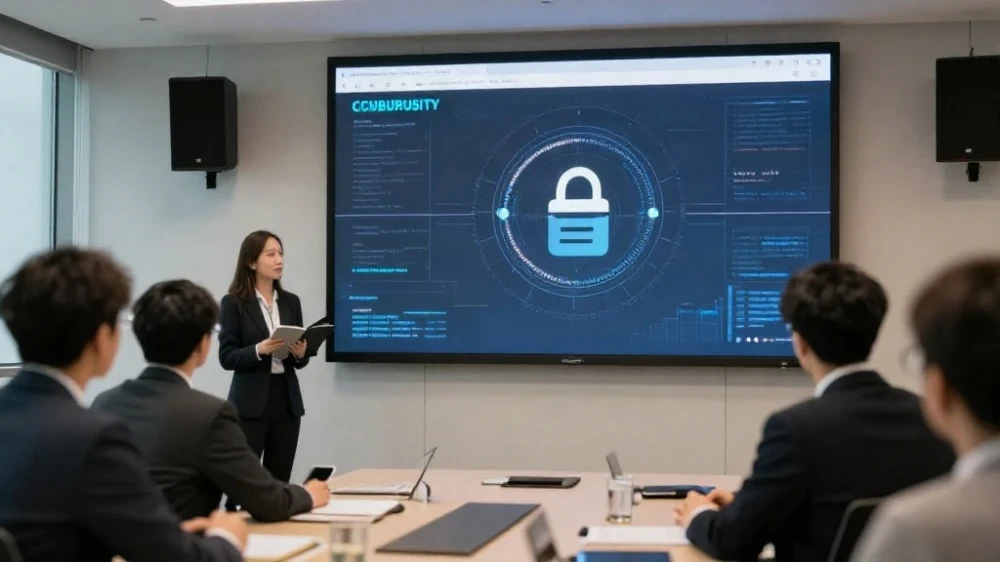
Understanding the difference between legacy training methods and modern platforms helps decision-makers optimize their transformation strategies.
| Feature | Traditional Training Methods | Modern Digital Platforms |
|---|---|---|
| Booking Speed | Slow manual approvals and paperwork | Instant automated Cybersecurity Training Course Booking |
| Flexibility | Rigid classroom schedules | 24/7 on-demand cloud labs |
| Tracking | Manual spreadsheets | Real-time analytics dashboards |
Frequently Asked Questions (FAQ)
What is the main benefit of a streamlined Cybersecurity Training Course Booking process?
A streamlined Cybersecurity Training Course Booking workflow eliminates administrative bottlenecks, enabling employees to gain critical threat-mitigation skills rapidly and secure enterprise infrastructure without delay.
How often should enterprise employees update their security certifications?
Enterprise employees should participate in refresher courses and update their certifications at least annually to stay protected against rapidly evolving cyber threats and modern attack techniques.
Can smaller businesses benefit from structured digital transformation training?
Yes, small and medium enterprises face the same digital risks as large corporations. Implementing structured education helps smaller teams protect valuable customer data and maintain strict regulatory compliance.