
- The Digital Shift: Cybersecurity Services in Syria and Business Growth
- The Modern Threat Landscape for Syrian Enterprises
- Essential Cybersecurity Services in Syria for Robust Defense
- How Implementing Security Protocols Drives Commercial Success
- Adopting International Security Standards and Compliance
- Selecting the Right Digital Defense Partner
- Frequently Asked Questions
The Digital Shift: Cybersecurity Services in Syria and Business Growth
In the rapidly evolving global marketplace of 2026, technology acts as both an accelerator for commercial growth and a vector for sophisticated digital risks. For businesses operating in the Levant, safeguarding digital infrastructure has transitioned from being a secondary IT concern to a core strategic priority. As enterprises modernize their operations, adopt cloud technologies, and migrate to digital payment systems, the demand for reliable Cybersecurity services in Syria has reached an unprecedented peak.
Organizations must realize that technological adoption without a strong defensive foundation is a liability. By leveraging professional Cybersecurity services in Syria, local enterprises can confidently pursue digital transformation. Protecting sensitive customer databases, securing financial transactions, and ensuring uninterrupted operational continuity are no longer optional. They are the baseline requirements for modern business success and public trust in an increasingly interconnected economy.
This comprehensive guide explores how tailored cybersecurity solutions empower Syrian organizations to mitigate risks, comply with emerging data standards, and foster sustainable business growth in a highly competitive digital landscape.
The Modern Threat Landscape for Syrian Enterprises
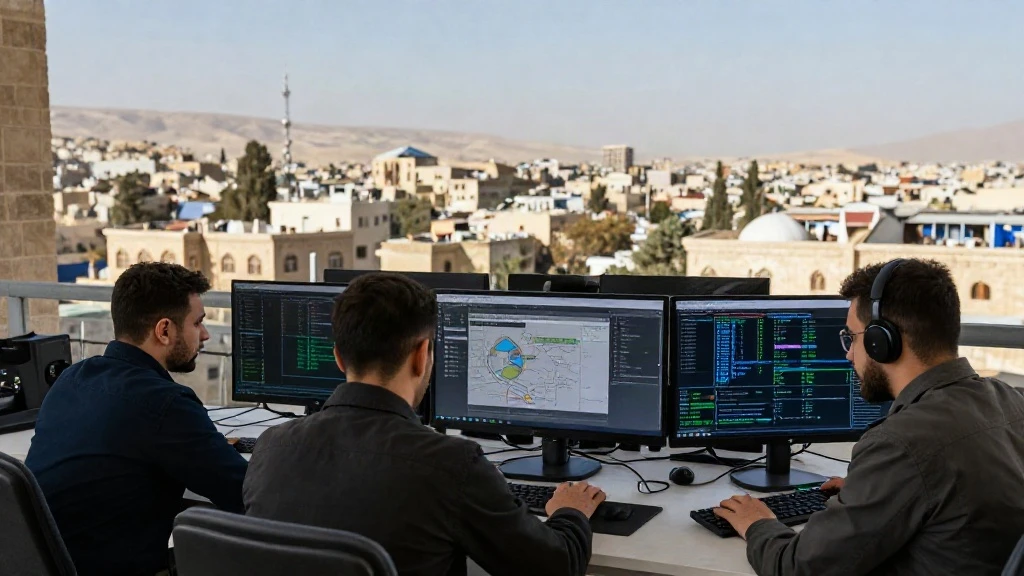
The contemporary threat environment is highly sophisticated, characterized by automated ransomware attacks, targeted phishing campaigns, and complex corporate espionage. For Syrian businesses, these threats are magnified by unique regional infrastructure challenges, including intermittent connectivity and varying levels of cybersecurity awareness among employees. This complex environment makes specialized Cybersecurity services in Syria absolutely vital for survival.
Without robust defensive measures, companies expose themselves to severe vulnerabilities. A single data breach can result in catastrophic financial losses, long-term reputational damage, and legal liabilities. Hackers frequently target small to medium enterprises (SMEs) because they often lack the sophisticated defense mechanisms of larger corporations. Recognizing these vulnerabilities, modern businesses are seeking specialized Cybersecurity services in Syria to build resilient defenses capable of neutralizing threats before they disrupt business operations.
Furthermore, the global shift toward remote work and cloud-based collaborations has expanded the attack surface. This expansion means traditional firewall perimeters are no longer sufficient to protect sensitive intellectual property, making expert intervention crucial.

Essential Cybersecurity Services in Syria for Robust Defense
A comprehensive approach to digital defense requires a suite of specialized capabilities tailored to the specific needs of each organization. High-tier Cybersecurity services in Syria generally encompass several critical areas designed to prevent, detect, and respond to malicious activities.
1. Penetration Testing and Vulnerability Assessments
Proactive defense begins with identifying weaknesses before malicious actors do. Through systematic penetration testing, ethical hackers simulate real-world attacks against an organization’s network, applications, and physical security systems. This process provides invaluable insights into existing vulnerabilities, allowing businesses to patch security gaps effectively.
2. Managed Detection and Response (MDR)
Continuous monitoring is essential for modern business operations. MDR services provide around-the-clock surveillance of digital environments, using advanced analytics and threat intelligence to identify anomalous behavior. When threat detection is coupled with rapid response capabilities, security incidents can be contained in real-time, minimizing potential operational downtime.
3. Security Awareness Training
Human error remains one of the primary entry points for cybercriminals. Comprehensive security awareness training educates employees on how to recognize phishing attempts, practice safe password hygiene, and adhere to internal security protocols. Cultivating a security-first culture within the workforce is one of the most effective ways to strengthen an organization’s overall defense posture.
By integrating these components, comprehensive ISO/IEC 27001 information security management principles can be applied effectively, helping local businesses achieve globally recognized standards of data protection and resilience.

How Implementing Security Protocols Drives Commercial Success
Many business leaders historically viewed security expenditures solely as a cost center. However, in 2026, investing in professional Cybersecurity services in Syria is recognized as a direct driver of commercial success and competitive advantage. Organizations that prioritize digital defense reap significant business benefits that positively impact their bottom line.
Firstly, robust security measures build immense customer trust. Consumers and business partners are highly sensitive about how their personal and financial data is handled. When a company can demonstrate that it utilizes advanced Cybersecurity services in Syria to protect sensitive information, it establishes itself as a reliable and credible partner. This trust directly translates into customer loyalty, higher retention rates, and a stronger brand reputation.
Secondly, effective security protocols ensure operational continuity. Cyberattacks, particularly ransomware, can paralyze an organization’s operations for days or even weeks. The cost of downtime, lost productivity, and emergency remediation far exceeds the investment required to implement proactive defensive strategies. By utilizing Cybersecurity services in Syria, enterprises safeguard their daily workflows, ensuring they can consistently deliver products and services to their markets without costly interruptions.
Adopting International Security Standards and Compliance
As Syrian businesses seek to expand their reach and engage with international partners, compliance with global data protection standards becomes essential. Aligning internal IT infrastructures with frameworks such as GDPR, ISO 27001, or PCI-DSS requires professional guidance. This is where advanced Cybersecurity services in Syria play a pivotal role in bridging the gap between local practices and global expectations.
Adhering to these standards is not merely a regulatory formality; it is a strategic business enablement tool. International partners and clients often mandate strict security compliance before entering into contracts or sharing data. By implementing certified Cybersecurity services in Syria, local companies can seamlessly integrate into international supply chains, secure lucrative foreign partnerships, and elevate their standing in the global market.
Moreover, local regulatory frameworks are steadily evolving to emphasize stronger data privacy protections. Proactively adopting high-level security practices ensures that organizations remain compliant with both current and future domestic legal requirements, avoiding potential penalties and legal complications.
Selecting the Right Digital Defense Partner
Choosing a security provider is a critical decision that directly impacts the future stability of an enterprise. Businesses must look beyond basic IT support and seek specialized firms capable of delivering comprehensive Cybersecurity services in Syria. A true security partner should possess a deep understanding of the local economic landscape while maintaining global technical standards.
When evaluating providers of Cybersecurity services in Syria, organizations should consider the following criteria:
- Expertise and Certifications: Ensure the provider’s team holds recognized industry credentials (such as CISSP, CEH, or CISM) and has a proven track record of securing complex environments.
- Tailored Solutions: Avoid one-size-fits-all packages. The right partner will assess your specific operational risks, business model, and budget to design a customized defense strategy.
- Proactive Approach: Choose a firm that emphasizes prevention, continuous monitoring, and threat hunting rather than simply reacting to security incidents after they occur.
By partnering with an experienced cybersecurity firm, businesses can confidently navigate the digital landscape, transform security from a challenge into an asset, and secure long-term commercial growth.

Frequently Asked Questions
Why are Cybersecurity services in Syria critical for small businesses?
Small businesses are often targeted by cybercriminals because they generally have weaker defenses compared to large corporations. Implementing tailored cybersecurity measures helps protect sensitive client data, prevents costly operational downtime, and builds a reputable brand that customers can trust.
What is the difference between basic IT support and specialized cybersecurity?
While basic IT support focuses on maintaining system uptime, hardware functionality, and software installations, specialized cybersecurity focuses explicitly on protecting systems, networks, and data from unauthorized access, malicious attacks, and data breaches through proactive defense strategies.
How does investing in cybersecurity support business growth?
Investing in cybersecurity supports business growth by preventing expensive data breaches, ensuring uninterrupted daily operations, building trust with high-value international partners, and enhancing the overall brand reputation in a competitive marketplace.