
Table of Contents

The Imperative of Secure Digital Transformation
As organizations across the Middle East accelerate their modernization initiatives, adopting professional cybersecurity services in Syria has become an indispensable requirement for sustainable corporate growth. Digital transformation is no longer a luxury reserved for multinational tech giants; it is a fundamental survival strategy for enterprises seeking operational efficiency, expanded market reach, and enhanced client engagement. However, transitioning from legacy operational models to cloud-enabled, automated systems introduces an expanded attack surface that malicious actors actively seek to exploit.
Modernizing an organization involves integrating distributed networks, adopting SaaS platforms, authorizing remote access points, and handling massive volumes of sensitive transactional data. Without a security-first mindset, digital transformation can inadvertently open doors to ransomware attacks, intellectual property theft, operational disruption, and severe reputational damage. Building a digital ecosystem demands that security measures evolve at the exact same pace as technology adoption. Security must never be treated as an afterthought or a final checklist item; it must serve as the foundational bedrock upon which every digital workflow, database, and application is constructed.
Why Digital Modernization Demands Robust Security
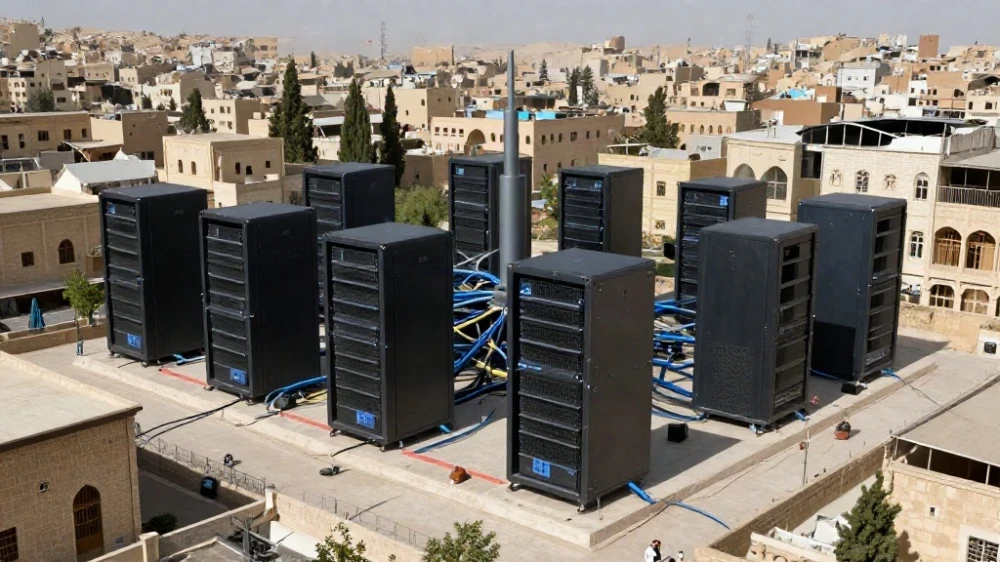
In today’s interconnected environment, utilizing comprehensive cybersecurity services in Syria empowers businesses to migrate legacy infrastructures to the cloud without exposing vulnerable data points. Legacy systems often rely on traditional perimeter defenses—such as basic firewalls and localized antivirus software—that were designed for a time when all corporate assets resided safely within a physical office building. Today, cloud platforms, mobile applications, and remote work arrangements have dissolved those traditional boundaries entirely.
When organizations adopt digital transformation, data flows continuously between internal servers, third-party software providers, employee personal devices, and end-users. Each touchpoint represents a potential vulnerability if not properly configured, encrypted, and monitored. Cyber threats in 2026 have reached unprecedented levels of sophistication, leveraging artificial intelligence, automated exploit scripts, and advanced social engineering tactics. Consequently, a single unpatched software vulnerability or misconfigured cloud storage bucket can lead to enterprise-wide compromise, financial losses, and legal liability.
Integrating structured security architecture ensures business continuity during technological expansion. It reassures partners, investors, and customers that their private information remains protected under international compliance standards. By embedding resilient defensive strategies into the core of digital initiatives, companies foster digital trust, which serves as a major differentiator in an increasingly competitive marketplace.
Step-by-Step Guide to Secure Digital Transformation
Successfully transitioning an enterprise into the digital age requires a structured, multi-phase methodology that balances innovation with risk management. Below is an actionable, step-by-step framework designed to help business leaders navigate digital transformation securely.
Step 1: Comprehensive Risk Assessment and Security Auditing
Before deploying new digital technologies, organizations must gain full visibility into their existing digital estate. Conducting thoroughly structured security audits allows enterprises seeking cybersecurity services in Syria to uncover hidden vulnerabilities across network nodes, legacy databases, and user access levels. A comprehensive risk assessment identifies mission-critical assets, evaluates potential threat vectors, and categorizes system vulnerabilities based on potential operational impact.
Organizations should perform deep-dive penetration testing, vulnerability scanning, and code reviews for proprietary applications. This stage provides executive leadership with a clear roadmap of what needs remediation, enabling them to allocate technical resources and financial budgets effectively before embarking on massive software migrations.
Step 2: Establishing Strong Data Protection Protocols and Access Control
Data is the lifeblood of digital transformation. Enforcing end-to-end encryption and multi-factor authentication (MFA) ensures that organizations integrating modern cybersecurity services in Syria maintain strict governance over sensitive customer datasets. Data should be secured both at rest in storage databases and in transit across external network channels.
Furthermore, enterprises must adopt a strict Zero Trust Architecture (ZTA). Under the principle of Zero Trust, organizations assume that no user or device—whether inside or outside the corporate perimeter—is inherently trustworthy. Implementing identity and access management (IAM) solutions guarantees that employees are granted access strictly to the resources required for their specific job functions (the Principle of Least Privilege), effectively containing potential insider threats and credential compromise.
Step 3: Modernizing Infrastructure with Managed SOC and Automated Threat Monitoring
Modernizing IT operations requires partnering with specialized providers of cybersecurity services in Syria who maintain continuous threat monitoring and automated incident detection capabilities. Transitioning to hybrid or multi-cloud environments necessitates centralized security visibility across all digital assets.
Deploying a managed Security Operations Center (SOC) equipped with Security Information and Event Management (SIEM) tools allows security teams to aggregate logs, correlate event data in real time, and isolate anomalous behavior before it escalates into a full-scale breach. Automated endpoint detection and response (EDR) solutions further defend remote laptops, servers, and mobile devices against zero-day malware and unauthorized intrusion attempts.
Step 4: Cultivating a Security-First Organizational Culture
Technology alone cannot safeguard an organization if the human element remains vulnerable. Cultivating a resilient human firewall complements technical defenses, ensuring that enterprise reliance on advanced cybersecurity services in Syria yields maximum ROI. Employees are frequently targeted by threat actors using sophisticated phishing emails, pretexting, and social engineering attacks to bypass technical security barriers.
Enterprises must implement continuous cybersecurity training programs tailored to different organizational departments. Regular simulated phishing campaigns help employees recognize suspicious communications, report anomalies promptly, and adhere to clean-desk and secure password guidelines. When security awareness becomes an integral component of corporate culture, employees evolve from potential vulnerabilities into the first line of defense.
Step 5: Developing Incident Response and Business Continuity Plans
Establishing clear emergency response protocols helps companies contracting cybersecurity services in Syria minimize costly downtime during potential cyber attacks. Despite implementing powerful preventative measures, zero-risk operational environments do not exist. Organizations must operate under the assumption of inevitable breach attempts and prepare accordingly.
An effective Incident Response Plan (IRP) defines precise roles, communication protocols, technical containment steps, and escalation pathways when a security breach occurs. To ensure operational resilience, companies should establish automated immutable backup routines stored in isolated offsite locations, facilitating rapid system restoration in ransomware scenarios without paying extortions or suffering permanent data loss.
Selecting the Right Cybersecurity Services in Syria
Selecting top-tier cybersecurity services in Syria demands evaluating a vendor’s expertise in threat intelligence, vulnerability assessment, and real-time mitigation. Partnering with the right cyber defense provider is a crucial executive decision that directly influences an enterprise’s long-term stability and digital scalability.
When evaluating potential cybersecurity partners, business leaders should look beyond basic vendor promises and analyze key capability indicators:
- Technical Certifications & Industry Compliance: Ensure the service provider holds recognized international certifications such as ISO 27001, CISSP, or CEH, reflecting adherence to standardized operational frameworks.
- Proactive Threat Intelligence Capabilities: A elite partner should utilize advanced threat intelligence feeds to anticipate regional and industry-specific threat trends rather than merely reacting to attacks after they occur.
- 24/7/365 Monitoring & Response SLAs: Verify that the provider offers explicit Service Level Agreements (SLAs) regarding guaranteed detection, isolation, and remediation response times.
- Customized Security Architectures: Avoid vendors offering one-size-fits-all solutions. Cyber defense architectures must be customized according to your enterprise’s unique infrastructure, regulatory context, and operational workflows.
By deploying high-caliber cybersecurity services in Syria, business leaders safeguard critical infrastructure while accelerating innovation across digital touchpoints. To build a robust digital posture, organizations often turn to specialized expertise. Exploring TaraCyber’s specialized cyber defense solutions enables enterprises to combine advanced forensic analysis, proactive threat hunting, and strategic risk management into a unified security ecosystem.
Navigating Technical and Local Infrastructure Challenges
Implementing digital transformation within developing technical environments presents unique operational nuances. Overcoming connectivity variations and legacy hardware requires tailored cybersecurity services in Syria designed for dynamic local operational environments. Many companies manage hybrid IT setups where legacy local infrastructure coexists with newly adopted cloud software, creating complex security architecture challenges.
Additionally, remote access security has become critical. Integrating flexible cybersecurity services in Syria allows hybrid workforces to access internal assets securely from remote locations without compromising central servers. Utilizing Virtual Private Networks (VPNs) with secure tunneling protocols, software-defined perimeters (SDP), and centralized access logging protects mobile workstations against interception and credential harvesting.
Adhering to recognized standards such as the NIST Cybersecurity Framework provides organizations with a structured approach to identifying, protecting, detecting, responding to, and recovering from security incidents across all operational layers. Ultimately, investing in proactive cybersecurity services in Syria transitions digital transformation from a calculated risk into a sustainable competitive advantage.

Frequently Asked Questions
What are the primary business benefits of outsourcing cybersecurity services in Syria?
Outsourcing allows organizations to leverage enterprise-grade cybersecurity services in Syria without maintaining an expensive in-house 24/7 Security Operations Center. It provides immediate access to specialized security analysts, cutting-edge threat intelligence tools, continuous monitoring, and specialized incident response capabilities at a fraction of the cost of recruiting and retaining a dedicated internal cyber team.
How does digital transformation increase cyber risks for traditional enterprises?
Digital transformation replaces centralized, isolated systems with connected, cloud-based environments and distributed remote endpoints. While this dramatically enhances collaboration and efficiency, it broadens the network attack surface. Without comprehensive security controls, expanded cloud storage, API connections, and remote access software provide threat actors with numerous potential entry points into corporate databases.
What essential security steps should a company take before migrating data to the cloud?
Prior to cloud migration, businesses should conduct a thorough data classification audit, remediate existing infrastructure vulnerabilities, and establish robust identity management rules. Key measures include enforcing multi-factor authentication (MFA), setting up strict role-based access permissions, configuring automated data encryption protocols for data in transit and at rest, and ensuring cloud vendor compliance standards align with corporate risk management policies.