
Table of Contents
- Introduction to Digital Forensics Services in Syria
- Common Technical Challenges in Syrian Digital Investigations
- Overcoming Infrastructure and Power Instability
- Handling Heavily Encrypted Communication Platforms
- Recovering Data from Severely Damaged and Corrupted Storage Media
- Managing Cross-Border Evidence and Chain of Custody
- Advanced Solutions Offered by TaraCyber
- Frequently Asked Questions
Introduction to Digital Forensics Services in Syria
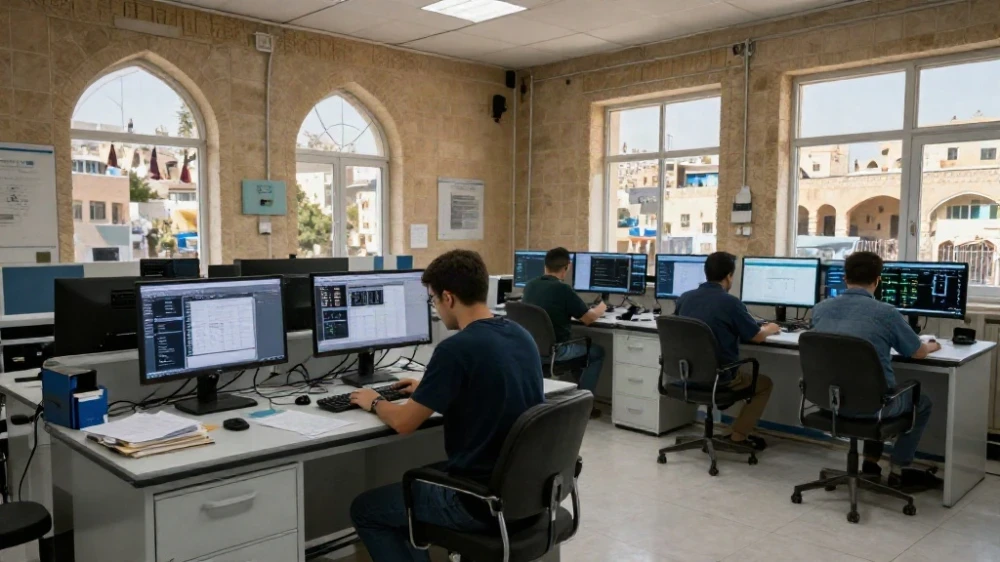
In the modern digital landscape, the demand for rigorous cyber investigations has grown exponentially across every corner of the globe. However, conducting professional investigations in regions experiencing prolonged infrastructure strain presents unique, highly complex obstacles. Providing reliable Digital Forensics Services in Syria requires a sophisticated blend of cutting-edge technology, resilient methodologies, and deep regional insight. Organizations, legal entities, and private enterprises frequently encounter severe technical anomalies that standard computer science curricula rarely prepare them to handle.
When digital evidence is compromised, deleted, or obscured by hardware degradation and network instability, the stakes are exceptionally high. For corporate entities looking to secure their operations or legal teams attempting to build an airtight case, understanding these technical barriers is the first step toward effective mitigation. Organizations navigating these turbulent technological waters often partner with professional experts, much like clients seeking specialized Digital Forensics Services in Syria and surrounding enterprise hubs, to ensure total data integrity.
Common Technical Challenges in Syrian Digital Investigations
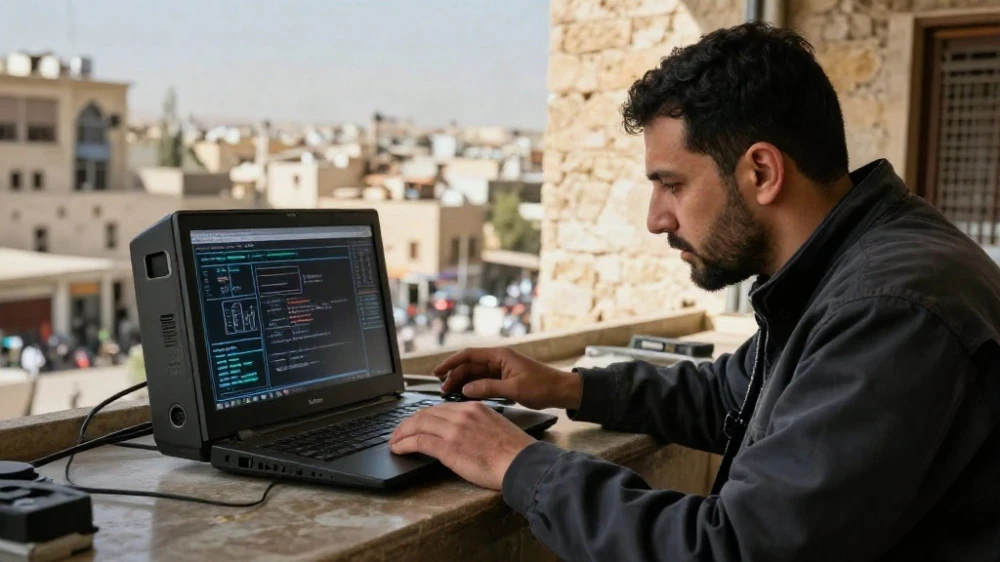
Digital investigators operating within the Syrian theater face a labyrinth of hardware, software, and environmental hurdles. Unlike standardized corporate environments equipped with redundant server rooms and stable fiber-optic connections, local landscapes are often characterized by erratic power supplies, fragmented networks, and restricted access to modern replacement parts. These factors directly impact how digital evidence is acquired, preserved, and analyzed.
Furthermore, malicious actors and cybercriminals frequently exploit these infrastructural weaknesses to deploy sophisticated evasion tactics. From wiping event logs to utilizing advanced anti-forensic tools, perpetrators rely on the chaos of unstable environments to cover their tracks. To counter these threats, practitioners of Digital Forensics Services in Syria must look beyond traditional automated toolkits and implement manual, highly adaptive forensic workflows.
Overcoming Infrastructure and Power Instability
One of the most persistent operational hurdles is the constant fluctuation and sudden loss of electrical power. In a standard digital forensics laboratory, maintaining an unbroken power supply is critical during live RAM acquisitions or long-term hashing processes of massive hard drives. A sudden power surge or blackout can instantly corrupt target drives, disrupt volatile memory capture, or permanently damage delicate read-write heads in mechanical storage devices.
To solve this, advanced forensic teams deploy robust, industrial-grade Uninterruptible Power Supply (UPS) systems paired with portable solar-generator fail-safes specifically calibrated for sensitive electronic equipment. Additionally, write-blockers used in the field must be hardware-independent and capable of maintaining state persistence even during minor electrical anomalies. These technical workarounds ensure that the chain of custody remains unbroken and that physical evidence is never compromised by environmental volatility.
Handling Heavily Encrypted Communication Platforms
Modern cybercrime relies heavily on end-to-end encrypted messaging applications, secure VoIP channels, and decentralized storage systems. In regions where privacy concerns or regulatory gaps prompt widespread adoption of secrecy tools, investigators routinely face encrypted digital artifacts that resist standard decryption keys. Extracting meaningful intelligence from locked mobile devices or encrypted container files requires advanced physical extraction techniques and JTAG/ISP (In-System Programming) methods.
When standard passcode bypass fails, forensic specialists must analyze volatile memory dumps or exploit localized kernel vulnerabilities to retrieve decrypted database fragments. This specialized branch of Digital Forensics Services in Syria requires continuous updates to exploit libraries and custom script writing. According to reports by cybersecurity researchers studying regional data flows, the proliferation of zero-day exploits traded on underground forums has made mobile device forensics significantly more volatile over recent years Learn more about cybersecurity frameworks from NIST.
Recovering Data from Severely Damaged and Corrupted Storage Media
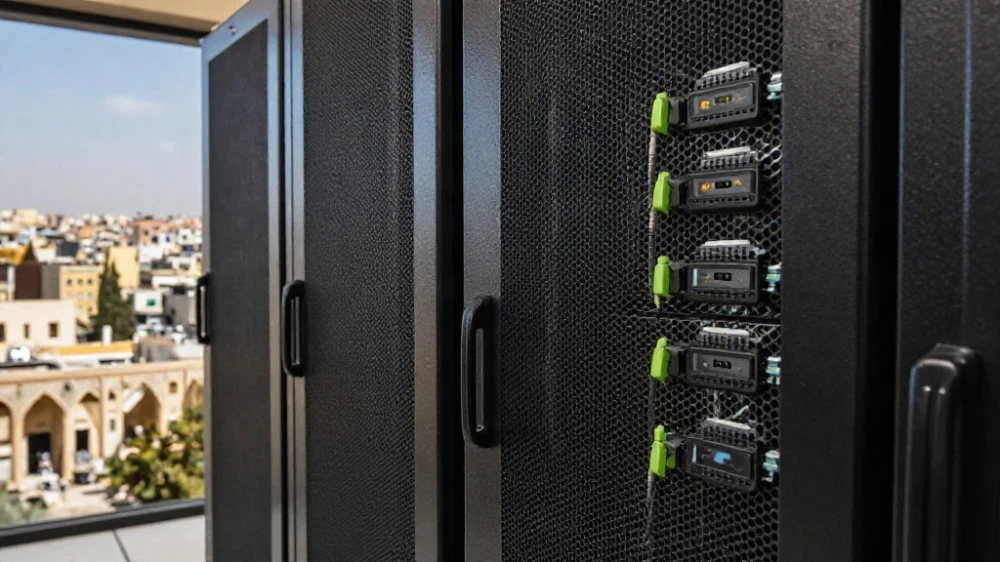
Physical damage is another major bottleneck. Devices exposed to extreme heat, moisture, or sudden physical trauma often suffer from catastrophic controller failures or platter damage. Standard software tools like EnCase or FTK Imager are completely useless if the host operating system cannot even recognize the attached storage hardware.
Solving this requires cleanroom-level interventions—or portable field-cleanroom environments—where technicians can perform head stack replacements, read-channel chip-off extractions, and firmware repairs on specialized tools like PC-3000. By isolating damaged NAND flash chips and dumping raw hexadecimal data directly from the memory components, practitioners can reconstruct partition tables and recover critical evidentiary files that would otherwise be permanently lost.
Managing Cross-Border Evidence and Chain of Custody
Digital evidence is inherently volatile and easily contestable in court if standard operating procedures are violated. When investigations involve cross-border data transfers—such as moving acquired images from local field offices to secure cloud vaults or international legal hubs—maintaining data integrity becomes an intricate puzzle. Inconsistent telecommunications infrastructure often causes packet loss during remote data transmission, leading to hash value mismatches (MD5 or SHA-256) between the source drive and the destination image.
To eliminate this risk, forensic examiners utilize secure, encrypted peer-to-peer transfer protocols equipped with automatic packet-verification checksums. If a packet drops or corrupts during transit, the transfer protocol automatically re-requests the specific block rather than failing the entire image transfer. This meticulous attention to detail ensures that every piece of digital evidence holds up under rigorous cross-examination in international or local tribunals.

Advanced Solutions Offered by TaraCyber
Navigating these multi-layered technical obstacles demands a dedicated partner equipped with enterprise-grade technology and seasoned expertise. At TaraCyber, we specialize in delivering comprehensive Digital Forensics Services in Syria designed to overcome the most punishing operational environments. Whether your organization is dealing with corporate espionage, ransomware attacks, or complex insider threats, our methodology is built on absolute precision and strict adherence to international standards like ISO/IEC 27037.
Our engineers combine hardware-level recovery capabilities with advanced software intelligence to dissect malware, map network intrusion paths, and recover deleted artifacts from complex file systems. By choosing professional oversight, your enterprise ensures that technical hurdles never translate into legal or operational vulnerabilities.
Frequently Asked Questions
What types of digital devices can be analyzed through forensic services in Syria?
Professional forensic teams can examine a wide array of digital hardware, including desktop computers, enterprise servers, mobile smartphones (iOS and Android), external solid-state drives (SSDs), traditional hard disk drives (HDDs), USB flash drives, and even specialized IoT devices or network routers.
How is the chain of custody maintained during unstable conditions?
The chain of custody is meticulously preserved by using hardware write-blockers during data acquisition, generating immediate cryptographic hashes (SHA-256) of all evidence, recording detailed logs of every handler, and using secure, encrypted transport protocols for any necessary remote data transfers.
Why are specialized forensics services necessary instead of standard IT troubleshooting?
Standard IT technicians focus on restoring system functionality and operational uptime, which often involves overwriting logs, formatting drives, or deleting temporary files. Digital forensics, however, focuses on preserving every bit of data—including deleted files, unallocated space, and volatile memory—to uncover root causes and present legally admissible evidence.