
Table of Contents
- The Landscape of Corporate Defense in Western Saudi Arabia
- Cybersecurity Employee Training Services in Jeddah: Comparing Modern Tools
- Interactive Phishing Simulators vs. Traditional Learning Management Systems
- Role-Based vs. Generalized Awareness Frameworks
- NCA Compliance and Regional Security Standards
- Evaluating the True Return on Human Layer Defense
- How to Select the Best Strategy for Your Organization
- Frequently Asked Questions (FAQ)
- Cybersecurity Employee Training Services in Jeddah empower regional enterprises to transform staff from operational vulnerabilities into resilient, active human firewalls.
- Automated simulation platforms combined with localized, Arabic-first social engineering simulations significantly outperform generic video-based training modules.
- Aligning organizational programs with Saudi National Cybersecurity Authority (NCA) directives ensures full regulatory compliance while mitigating sophisticated phishing threats.
The Landscape of Corporate Defense in Western Saudi Arabia
Enterprise perimeters across the Kingdom are evolving rapidly under accelerated digital transformation agendas. In 2026, corporate infrastructures face sophisticated threat vectors targeting human vulnerabilities rather than network ports. Organizations increasingly realize that security software alone cannot prevent unauthorized system intrusions.
Deploying specialized digital forensics and enterprise incident response capabilities provides essential structural resilience when breaches occur. However, preemptive cultural education remains the most dependable preventative barrier against financial compromise.
Consequently, contracting dedicated Cybersecurity Employee Training Services in Jeddah has shifted from an optional compliance checkpoint into an urgent strategic investment. Local enterprises must equip their teams with tactical tools to identify modern social engineering tactics swiftly.

Cybersecurity Employee Training Services in Jeddah: Comparing Modern Tools
Modern workforce education platforms utilize diverse methodologies to instill threat awareness. Selecting the most effective platform requires analyzing how distinct technologies engage learners, track performance, and replicate deceptive attacks.
Commercial providers offering Cybersecurity Employee Training Services in Jeddah usually balance continuous automated simulations against structured pedagogical frameworks. While some tools emphasize micro-learning delivered directly to corporate chat clients, others leverage gamified workshops.
The table below highlights the foundational technologies and methodologies utilized by top corporate awareness programs in the regional market today.
| Training Methodology | Primary Operational Focus | Retention Efficiency | Deployment Complexity |
|---|---|---|---|
| Simulated Phishing Platforms | Spear-phishing and credential harvesting simulations | High (Immediate feedback loop) | Low to Moderate (API/Cloud integration) |
| Micro-Learning Modules | Bite-sized policy and compliance refreshers | Moderate (Depends on consistency) | Low (Delivered via LMS or email) |
| Gamified Security Portals | Competitive social defense mechanics | High (Drives voluntary engagement) | Moderate (Requires administrative oversight) |
| Instructor-Led Immersion | Advanced threat scenario walk-throughs | Very High (Intensive tactical exposure) | High (Scheduled organizational sessions) |
When implementing Cybersecurity Employee Training Services in Jeddah, enterprise technology leaders must assess whether standalone software platforms or managed consulting services best fit their culture. Technical sophistication varies widely between executive management, operational personnel, and administrative staff.
Interactive Phishing Simulators vs. Traditional Learning Management Systems
Traditional Learning Management Systems (LMS) rely primarily on annual, multi-hour slide presentations followed by mandatory multiple-choice questionnaires. While straightforward to track, static training rarely alters day-to-day employee behavior under stress.
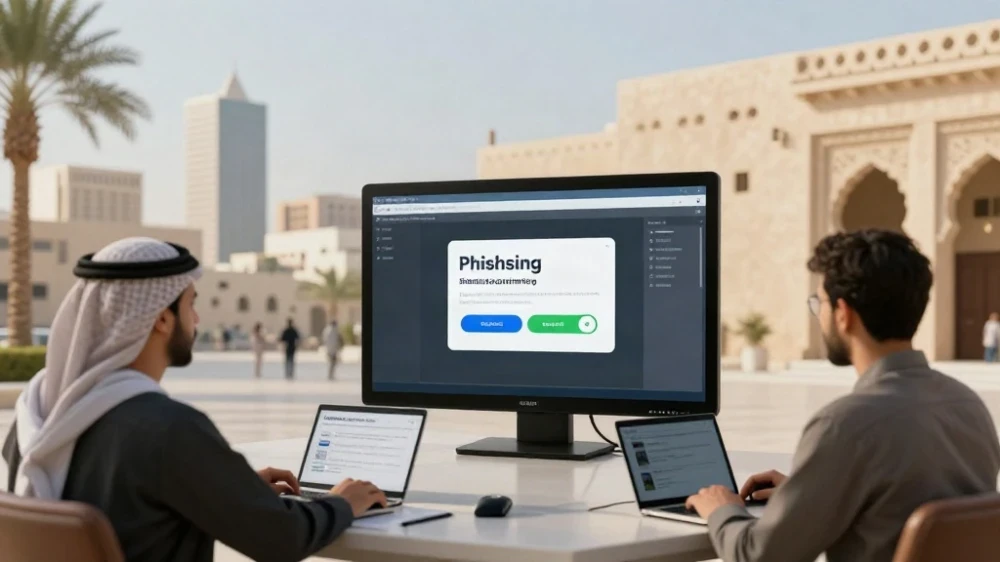
Conversely, leading providers of Cybersecurity Employee Training Services in Jeddah incorporate dynamic attack simulation engines. These platforms deploy randomized, benign social engineering campaigns directly into corporate inboxes without prior warning.
According to research published by social engineering security analysts, contextual attack simulations reduce employee click-through vulnerability rates by more than seventy percent within six months. Real-time feedback reinforces proper reporting protocols immediately.
When selecting professional Cybersecurity Employee Training Services in Jeddah, decision-makers should verify that simulated payloads reflect native linguistic patterns. Attackers routinely craft sophisticated corporate emails using natural Saudi business dialect, rendering generic international templates ineffective.
Advanced simulation platforms also incorporate automated teachable moments. If an employee submits mock credentials on a decoy page, the system immediately launches an interactive thirty-second micro-lesson detailing the exact indicators missed.
Role-Based vs. Generalized Awareness Frameworks
One primary drawback of standard awareness training is distributing identical material to every employee regardless of corporate responsibilities. A receptionist faces completely different external attack vectors than a database administrator or financial controller.
Tailored Cybersecurity Employee Training Services in Jeddah address this imbalance through stratified curriculum tracks. Customized training profiles ensure personnel receive defensive guidance aligned directly with their access privileges.
For example, financial staff require comprehensive training regarding Business Email Compromise (BEC), fake supplier invoicing, and emergency authorization protocol bypasses. Specialized Cybersecurity Employee Training Services in Jeddah simulate targeted executive impersonation attacks to evaluate administrative diligence.
Human resources departments handle numerous unsolicited email attachments containing resumes and application portfolios. Consequently, comprehensive Cybersecurity Employee Training Services in Jeddah train recruiters to safely inspect documents and recognize malicious macro execution.
Similarly, corporate executives and board members require specialized high-level counter-surveillance education. Senior leadership represents high-value targets for whaling campaigns designed to bypass ordinary institutional controls.

NCA Compliance and Regional Security Standards
Within Saudi Arabia, employee training is not solely an internal operational precaution; it constitutes a mandatory governance mandate. The National Cybersecurity Authority enforces rigorous frameworks such as the Essential Cybersecurity Controls (ECC) across commercial and governmental sectors.
Procuring certified Cybersecurity Employee Training Services in Jeddah enables organizations to satisfy statutory workforce awareness guidelines efficiently. Auditable participation registries demonstrate compliance during official regulatory reviews.
Comprehensive Cybersecurity Employee Training Services in Jeddah help companies map awareness KPIs directly against national compliance matrices. These metrics cover credential hygiene, physical workspace security, safe remote browsing, and clean desk policies.
Furthermore, organizations handling sensitive customer records must satisfy the Personal Data Protection Law (PDPL). Modern Cybersecurity Employee Training Services in Jeddah emphasize clean handling of private identifiers, preventing accidental data leaks caused by staff mishandling data pipelines.
Establishing demonstrable awareness routines prevents severe regulatory penalties and protects enterprise standing in the fast-growing Saudi economy of 2026.
Evaluating the True Return on Human Layer Defense
Corporate boards increasingly require quantitative validation for ongoing cybersecurity budgets. Security leaders must demonstrate that investing in Cybersecurity Employee Training Services in Jeddah yields measurable defensive outcomes.
Key performance indicators extend beyond simple course completion rates. Meaningful metrics analyze behavioral changes, such as the organization-wide Phish-Prone Percentage and average incident reporting velocity.
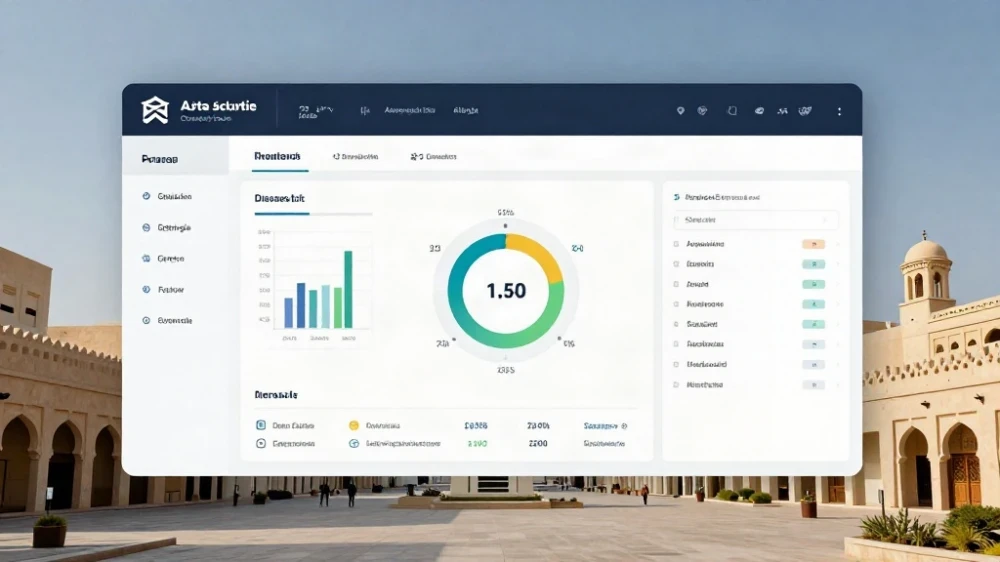
High-caliber Cybersecurity Employee Training Services in Jeddah deliver granular analytics dashboards. These platforms monitor how rapidly team members identify active simulation campaigns and flag them using integrated reporting buttons.
When staff flag suspicious emails within minutes, security operations teams gain crucial lead time to intercept authentic malicious campaigns across corporate gateways. Therefore, reliable Cybersecurity Employee Training Services in Jeddah serve as an early-warning telemetry system for organizational SOC analysts.
Over extended periods, high-performing organizations witness measurable reductions in helpdesk credential reset requests and accidental unauthorized network access attempts.
How to Select the Best Strategy for Your Organization
Evaluating vendor offerings requires thorough analysis of software capabilities, operational localization, and pedagogical design. Organizations seeking Cybersecurity Employee Training Services in Jeddah must ensure prospective partners understand the regional business environment.
First, verify whether the awareness content supports native Arabic dialect customization alongside professional English modules. Culturally aligned training materials resonate significantly better across diverse regional teams.
Second, ensure that external Cybersecurity Employee Training Services in Jeddah offer modular delivery models. Modern high-growth enterprises require continuous, automated educational nudges rather than disruptive, all-day seminars that disrupt productivity.
Third, confirm that reporting and simulation management integrate seamlessly into existing workplace productivity platforms like Microsoft 365 or Google Workspace. Seamless reporting plugins make threat escalation intuitive for every employee.
Ultimately, comprehensive Cybersecurity Employee Training Services in Jeddah bridge technical defensive investments and routine employee habits. By cultivating a transparent, vigilant corporate security culture, organizations in Jeddah safeguard vital digital assets and maintain operational stability.
Frequently Asked Questions (FAQ)
How often should companies conduct employee cybersecurity training?
Continuous education yields significantly higher retention than annual seminars. Leading corporate programs combine brief monthly micro-learning modules with continuous, randomized phishing simulations throughout the entire year.
Can simulations disrupt normal daily business operations?
No, professional simulation programs run quietly in the background. Emails arrive during standard working hours, and any corrective feedback triggered by a simulated failure takes under two minutes of the employee’s time.
Are phishing awareness metrics required for NCA compliance?
Yes, national regulatory frameworks like the NCA ECC require organizations to implement regular awareness programs and maintain auditable records demonstrating staff participation and competency tracking.
Book Cybersecurity Courses Online with the Ultimate Top Certification Training